

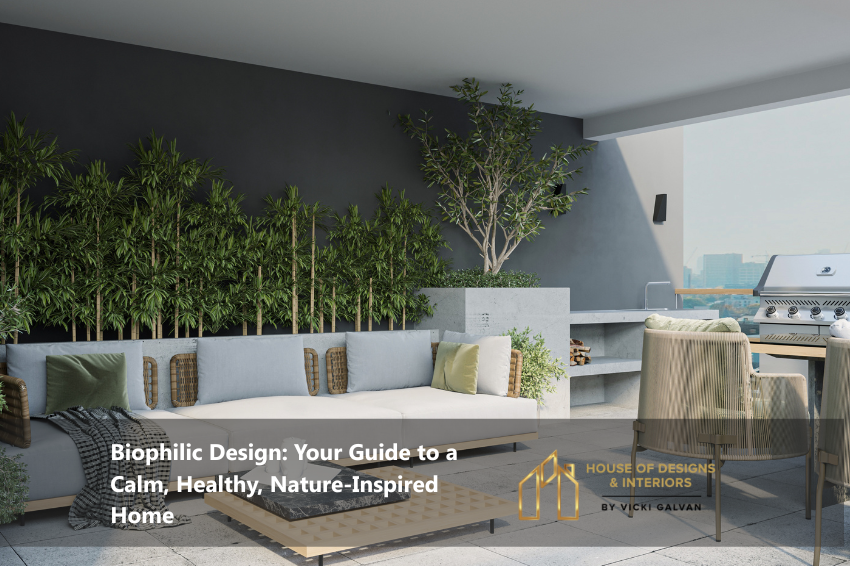
In today’s fast-paced world, our homes should be more than just a place to sleep—they should be sanctuaries that restore energy, calm the mind, and nurture well-being. One of the most effective ways to achieve this is through biophilic design, a concept that intentionally brings nature into your home. From sunlight streaming through large windows to the gentle curve of a rattan chair, biophilic design transforms your environment into a space that feels alive, harmonious, and restorative.
In this guide, we’ll walk you through practical ways to integrate biophilic design principles into your home, creating a haven that not only looks beautiful but also improves your mental and physical health.
What is Biophilic Design?
This is more than a trend—it’s a philosophy rooted in our innate connection to nature. The term “biophilia” literally means “love of life” or “love of nature.” Humans have evolved alongside natural environments for millions of years, so it’s no surprise that our well-being thrives in spaces that mimic or incorporate natural elements.
In practical terms, biophilic design means weaving nature into your interiors. This can include:
- Light – Using natural light to energize and enhance mood.
- Greenery – Introducing plants to purify air and add calming textures.
- Natural materials – Wood, stone, linen, and other organic textures that ground and warm a space.
- Nature-inspired forms – Rounded shapes, flowing lines, and organic patterns that emulate nature’s geometry.
- Water elements – Fountains, aquariums, or even simple bowls of water that create a soothing ambiance.
- Color palettes – Choosing tones found in nature, like earthy browns, leafy greens, and soft blues.
- Seamless indoor-outdoor connections – Blurring boundaries between interior and exterior to create spaciousness and harmony.
Research shows that environments enriched with biophilic design can reduce stress, improve cognitive function, and boost overall happiness. By incorporating these elements thoughtfully, your home becomes a space that restores and inspires every single day.
Let the Light In
Light is one of the most powerful tools in biophilic design. It affects not only the way your home looks but also your mood, energy levels, and sleep patterns. Exposure to natural light increases serotonin production, helping you feel more alert and happier. It also helps regulate your circadian rhythm, supporting better sleep at night.
Ways to maximize natural light for biophilic design:
- Open curtains and blinds – Even a small window can make a huge difference when unobstructed.
- Use mirrors strategically – Reflect sunlight across rooms to make spaces feel brighter and larger.
- Consider larger windows or skylights – If renovating, more light equals more connection to nature.
- Light-colored walls and ceilings – Whites, creams, and soft pastels reflect light and amplify brightness.
Incorporating natural light not only elevates your interior design but also enhances your daily well-being. A sunlit room feels more expansive, inviting, and alive—a perfect application of biophilic design.
Layer in Greenery
Plants are one of the easiest and most impactful ways to bring nature indoors. Greenery does more than beautify your space—it purifies the air, reduces stress, and fosters a sense of calm and focus.
Tips for layering greenery in your home design:
- Mix large and small plants – Combine tall statement plants with tabletop succulents or trailing vines.
- Create visual depth – Place plants at varying heights using stands, shelves, and hanging planters.
- Group plants together – Mimic natural growth patterns to make spaces feel immersive.
- Choose air-purifying species – Plants like peace lilies, snake plants, and spider plants enhance air quality while beautifying your home.
Even small touches like a windowsill herb garden or a few potted plants can dramatically enhance a biophilic design, creating a calming, nature-connected atmosphere.
Choose Natural Materials
Natural materials are central to biophilic design. Wood, stone, linen, cotton, rattan, and cork provide a tactile richness and warmth that synthetic materials often lack. They engage your senses—sight, touch, and even smell—creating a home that feels organic and grounded.
How to use natural materials:
- Wood – Floors, furniture, and ceiling beams add warmth and texture.
- Stone – Countertops, accent walls, and fireplaces provide grounding, earthy tones.
- Rattan and wicker – Casual, organic textures evoke outdoor living.
- Linen and cotton textiles – Bedding, curtains, and cushions connect you to natural fibers.
Thoughtful use of natural materials enhances the sensory richness of your home, a key goal of biophilic design.
Add Water for Serenity
Water is a symbol of life and a source of calm. Water features can reduce stress, lower blood pressure, and create a serene ambiance.
Ideas to incorporate water into your biophilic design:
- Tabletop fountains – Gentle water sounds enhance relaxation.
- Aquariums – Watching fish swim can be meditative and soothing.
- Decorative bowls of water – Simple and effective for tabletop focal points.
Water introduces movement and sound, making a home feel dynamic yet peaceful—another essential principle of biophilic design.
Nature-Inspired Shapes
Nature rarely produces sharp angles, favoring curves, waves, and organic forms. Applying these shapes in your interiors encourages harmony, fluidity, and comfort—core tenets of biophilic design.
Practical tips:
- Rounded furniture – Sofas, chairs, and coffee tables create a welcoming environment.
- Arched doorways and windows – Soft curves promote continuity and visual flow.
- Organic patterns – Textiles, wallpaper, or rugs with flowing asymmetrical designs echo nature.
These subtle choices improve how your brain perceives space, promoting relaxation and visual comfort in a biophilic design framework.
Nature’s Color Palette
Colors profoundly influence emotions and behavior. Biophilic design uses nature-inspired tones to cultivate tranquility and balance.
Recommended palettes:
- Earthy browns and tans – Grounding and warm.
- Leafy greens – Calm, refreshing, and revitalizing.
- Soft blues – Reduce stress and support mental clarity.
- Sandy beiges and muted neutrals – Provide a soothing backdrop.
Applying these colors thoughtfully in walls, furniture, and décor creates an environment aligned with natural rhythms, a hallmark of biophilic design.
Blend Inside & Out
A hallmark of biophilic design is connecting indoor and outdoor spaces seamlessly. This approach creates a larger, freer, and more harmonious living environment.
Tips to blend spaces for biophilic design:
- Sliding glass doors or large windows – Enjoy outdoor views and sunlight.
- Consistent flooring – Extend flooring textures outdoors for continuity.
- Outdoor greenery – Continue indoor plant choices outside for cohesion.
- Indoor-outdoor rooms – Covered patios or sunrooms enable nature immersion year-round.
Breaking down barriers between home and nature enhances the restorative power of biophilic design, supporting relaxation, creativity, and well-being.
Your Home as a Sanctuary
Your home should be a sanctuary where you feel calm, healthy, and inspired. This makes this possible with small, intentional touches that accumulate over time.
How to get started:
- Start small – Add plants, a wooden accent, or a tabletop water feature.
- Observe your space – Notice light patterns, movement flow, and tension points.
- Layer natural elements – Gradually introduce more greenery, natural materials, and nature-inspired colors.
- Personalize – Choose elements that resonate with your mood and lifestyle.
Over time, your home will transform into a personal oasis, supporting well-being and fostering joy—a true reflection of biophilic design principles.
Final Thoughts
Biophilic design is about more than aesthetics; it’s about creating a home that nurtures mind, body, and soul. By incorporating natural light, greenery, water, organic shapes, natural materials, and soothing colors, you cultivate a space that feels alive, peaceful, and restorative.
Your home is a reflection of your life. When you invite nature inside, you invite clarity, calm, and joy into your daily experience. Start integrating biophilic design today and transform your home into the sanctuary you deserve.
Follow for more nature-inspired design ideas and practical biophilic design tips.

Author: housedi
"Let color, form, space, texture, pattern, line, and light be your guide through the world of interior design." WE ARE MORE THAN A FRESH COAT OF PAINT.