


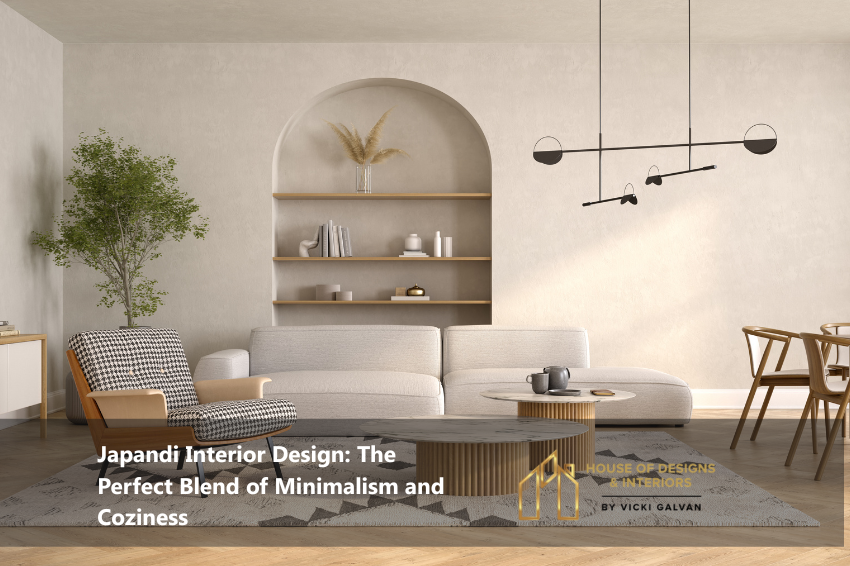
Interior design trends often rise quickly and fade just as fast. However, every so often a style appears that feels timeless, soothing, and deeply relevant to modern life. That is exactly the case with Japandi interior design, a harmonious blend of Japanese minimalism and Scandinavian coziness.
This approach combines the clean lines and functionality of Japanese design with the warmth and comfort of Scandinavian aesthetics. As a result, Japandi creates homes that are not only visually pleasing but also grounding, mindful, and sustainable. In today’s fast-paced world, that sense of sanctuary is more important than ever.
In the following guide, we’ll explore the origins, principles, and practical applications of Japandi interior design. You’ll discover how to bring this style into your own home, whether you’re redesigning a single room or creating a cohesive look throughout your living space.
What is Japandi Interior Design?
At its core, Japandi represents the best of two distinct design traditions. From Japan comes wabi-sabi, the philosophy that finds beauty in imperfection and values simplicity. From Scandinavia comes hygge, the cultural concept centered on coziness, comfort, and well-being.
By weaving these philosophies together, Japandi interior design balances function and beauty, simplicity and warmth. Instead of clutter, you’ll find clean lines. Instead of stark minimalism, you’ll experience layered textures and welcoming tones.
The style has gained global recognition because it goes beyond aesthetics. In fact, Japandi promotes intentional living, where every object has purpose and meaning. With growing interest in sustainability and mindfulness, it is no surprise that Japandi continues to rise in popularity.
Core Principles of Japandi Style
Minimalism with Meaning
Unlike strict minimalism, Japandi does not aim to strip spaces bare. Instead, it encourages homeowners to keep only what is essential or emotionally valuable. Each piece of furniture is chosen for its functionality, craftsmanship, and contribution to harmony. Décor is minimal, yet every object feels intentional rather than decorative clutter.
Comfort and Coziness
While minimalism sets the foundation, Scandinavian influence ensures the home remains warm and inviting. Soft throws, plush rugs, and layered bedding bring hygge into the mix. The result is an atmosphere where you can unwind after a long day, enjoying the benefits of a clean environment without losing the sense of homey comfort.
Balance and Harmony
Balance is the essence of Japandi interior design. Neutral color palettes calm the eye, while natural textures add warmth and depth. Spaces flow easily from one to another, creating harmony throughout the home. Importantly, there is always a balance between functionality and beauty—ensuring that every element serves both practical and aesthetic purposes.
Essential Elements of Japandi Interiors
Color Palette
Japandi thrives on a neutral foundation. Expect:
- Base tones: White, beige, taupe, soft gray.
- Accents: Muted greens, dusty blues, warm terracotta.
- Contrast: Occasional use of black or deep brown for grounding.
This earthy palette creates calm while allowing subtle pops of color.
Materials and Textures
Natural materials are central to Japandi interior design:
- Light and dark woods (often combined for contrast).
- Stone, clay, bamboo, rattan.
- Linen, cotton, wool.
- Matte finishes over glossy ones.
Textures are layered for warmth and depth, making minimalist spaces feel alive and inviting.
Furniture Choices
Furniture in Japandi interiors is low, functional, and simple. Scandinavian design favors practicality and comfort, while Japanese influence prioritizes craftsmanship and form. Think:
- Low-profile sofas.
- Multipurpose storage.
- Wooden dining tables with clean lines.
- Tatami-inspired floor seating.
Décor and Accessories
Less is more. Décor is carefully chosen and meaningful, often with a handmade or natural element:
- Handmade ceramics.
- Rice paper lanterns or woven pendant lights.
- Bamboo, rattan, or wicker accents.
- Indoor plants like bonsai, olive trees, or pampas grass.
Japandi and Lifestyle Philosophy
Japandi interior design is not just about aesthetics—it’s about how you live.
Mindfulness and Intentional Living
Japandi encourages mindful choices. Instead of filling your home with trends, you choose pieces with purpose. This leads to less clutter, less stress, and more intentional living.
Sustainability
Sustainability is a natural part of Japandi. Materials are eco-friendly, furniture is built to last, and the overall design supports the “buy less, choose well” philosophy. By valuing durability over disposability, Japandi reduces waste and embraces slow living.
How to Create Japandi Interiors in Your Home
Step 1: Declutter with Purpose
Remove unnecessary items. Keep only what you use or love.
Step 2: Choose a Neutral Foundation
Paint walls in earthy tones like beige, warm white, or soft gray.
Step 3: Layer Natural Textures
Mix wood with linen, cotton, and stone for depth.
Step 4: Add Functional and Cozy Furniture
Choose low, clean-lined furniture that feels inviting.
Step 5: Keep Décor Minimal and Meaningful
One ceramic vase with fresh branches is better than a cluttered shelf.
Step 6: Add Plants and Natural Light
Bring the outdoors inside with greenery and maximize sunlight.
Common Mistakes to Avoid in Japandi Interior Design
- Over-accessorizing: Too many items defeat the minimalist purpose.
- Ignoring natural light: Japandi thrives in airy, well-lit spaces.
- Too many dark tones: While contrast is important, excess dark colors make spaces feel heavy.
- Prioritizing looks over comfort: Japandi is about balance—comfort should never be sacrificed.
Japandi in Different Spaces
Japandi Living Room
Japandi Bedroom
is all about serenity and mindful rest. Furniture is minimal, with low-profile wooden bed frames and sleek nightstands that emphasize clean lines. Layered bedding in earthy tones—think soft whites, beiges, muted grays, or warm terracotta—creates a cozy yet understated look. Instead of clutter, the room focuses on tactile experiences: linen sheets, cotton throws, and natural fiber rugs. Lighting is warm and subdued, often from bedside lamps with simple shades. The overall effect is a sanctuary for sleep and rejuvenation, free from distraction and visual noise.
Japandi Kitchen and Dining
Japandi kitchens are functional by design. For example, open shelving highlights simple dishware and creates accessibility. At the same time, sturdy wooden dining tables anchor the space, offering both beauty and practicality.
Japandi Bathrooms
The Japandi bathroom is a spa-like retreat, designed to evoke calm and rejuvenation. Natural stone sinks, bamboo or wooden accents, and neutral tiles create a grounded, organic feel. Warm, soft lighting enhances relaxation, while plants such as ferns or orchids bring in a touch of life and freshness. Storage is kept minimal and discreet, often built into the design for seamless functionality. Accessories—like handwoven baskets, textured towels, or simple glass jars—are practical and aesthetically pleasing. Stepping into a Japandi bathroom should feel like escaping to a tranquil spa, where simplicity and comfort reign.
Japandi in Small Spaces
One of the strengths of Japandi interior design is its adaptability to compact homes. By embracing multi-use furniture—such as ottomans with storage, foldable dining tables, or sofas that double as guest beds—small spaces become highly functional without feeling cramped. Clever storage solutions, like built-in shelving or under-bed drawers, help maintain a clutter-free environment. The neutral color palette and emphasis on natural light make rooms appear larger, while simple layouts maximize flow and usability. In small spaces, every piece is intentional, proving that Japandi works just as beautifully in a studio apartment as in a large home.
Japandi vs. Minimalism vs. Scandinavian Design
- Minimalism: Pure simplicity, often stark.
- Scandinavian design: Cozy and functional, but with more décor.
- Japandi interior design: The perfect balance—minimal but warm, cozy but uncluttered.
Why Japandi Interior Design is More Than a Trend
Japandi is gaining global popularity because it speaks to deeper values: sustainability, mindfulness, and harmony. While many design styles fade, Japandi’s philosophy ensures it will remain timeless. As the world becomes more fast-paced, homes designed with Japandi principles will continue to feel like calm sanctuaries.
Conclusion
Japandi interior design is more than just a beautiful style—it’s a philosophy of living with intention. By blending Japanese minimalism and Scandinavian coziness, Japandi creates spaces that are calm, functional, and timeless.
Whether you’re refreshing a single room or redesigning your entire home, Japandi offers a way to live more mindfully, sustainably, and comfortably.
✨ Ready to transform your home into a Japandi-inspired sanctuary? Start small with natural textures, a neutral palette, and meaningful décor—and watch your space become a haven of balance and harmony.

Author: housedi
"Let color, form, space, texture, pattern, line, and light be your guide through the world of interior design." WE ARE MORE THAN A FRESH COAT OF PAINT.