


Have you ever walked into a room that looked stunning in photos but felt awkward in person? Chances are, the issue wasn’t the colors or the furniture style—it was the scale and proportion in interior design.
These two principles are the backbone of creating a space that feels harmonious and welcoming. Without them, even the most beautiful furniture can look out of place. In this guide, we’ll dive into what scale and proportion mean, why they matter, and how you can apply them in your own home to create balance and flow.
What is Scale in Interior Design?
Scale refers to the size of an object compared to the space it occupies. It’s about the relationship between furniture, décor, and the overall dimensions of the room.
For example:
- A king-sized bed in a small bedroom can overwhelm the space.
- A delicate chair in a two-story living room with vaulted ceilings may look “lost.”
When you get scale right, the room feels comfortable and proportional to the human body and the environment.
What is Proportion in Interior Design?
Proportion focuses on how objects relate to each other in size. It’s about balance between the elements in a room, not just their relation to the space itself.
Examples:
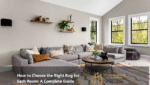
- A coffee table should typically be about 2/3 the length of your sofa.
- A lampshade that’s too tiny for its base feels awkward, no matter how stylish.
Proportion ensures that furniture and décor look cohesive together.
Why Scale and Proportion Matter
When scale and proportion are off, a room feels uncomfortable—even if you can’t immediately pinpoint why. Here’s what happens when you ignore these principles:
- Crowding: Oversized furniture makes a room feel smaller than it is.
- Disconnection: Small objects scattered in a large room look lost and unanchored.
- Imbalance: A single large object paired with much smaller ones creates visual tension.
On the other hand, applying proper scale and proportion makes your space feel:
- Balanced
- Functional
- Comfortable
- Visually appealing
The Principles of Scale in Action
Human Scale
This relates furniture to the human body. For instance, seating should allow feet to touch the floor comfortably, and tables should be at a reachable height.
Architectural Scale
This refers to matching furniture with the dimensions of the space. A tall ceiling calls for taller décor, while a small studio benefits from compact, multipurpose pieces.
Visual Scale
This is about how objects “read” visually. Light colors, glass, and slim profiles make objects appear smaller, while dark tones and bulky shapes feel larger.
The Principles of Proportion in Action
The Rule of Thirds
Divide your space into thirds vertically and horizontally. Positioning furniture or art along these lines creates natural balance.
The Golden Ratio (1:1.6)
An ancient formula still used in design today. For instance, a coffee table that’s 60% the length of your sofa looks more harmonious than one that’s half or almost equal in length.
Grouping Décor Items
Small objects look better when grouped together. Three vases of varying heights, for example, create a more balanced look than a single small vase on a large table.
How to Apply Scale and Proportion in Different Rooms
Living Room
- Choose a rug that extends under the front legs of your sofa and chairs.
- Place coffee tables at about 2/3 the sofa length.
- Balance large sofas with floor lamps, art, or tall plants.
Bedroom
- Bed size should leave enough space for walking.
- Nightstands should be close to mattress height.
- Avoid tiny lamps on oversized dressers—they’ll look disproportionate.
Dining Room
- Dining tables should allow at least 3 feet of clearance for chairs and movement.
- Pendant lighting should be proportional to table size (usually 12 inches narrower than the table).
- Chairs should feel sturdy but not oversized compared to the table.
Kitchen
- Counter stools should be proportional to counter height (24–26 inches for counter height, 28–30 inches for bar height).
- Balance large appliances with cabinetry and island proportions.
Common Mistakes in Scale and Proportion
- Buying furniture without measuring the room
- Ignoring ceiling height when choosing lighting or décor
- Using too many small accessories that look cluttered instead of cohesive
- Placing rugs that are too small, making the room feel chopped up
Tips to Get Scale and Proportion Right
- Always measure your space before buying furniture.
- Use painter’s tape on the floor to visualize how furniture will fit.
- Mix large, medium, and small items for variety—but balance them.
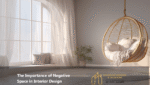
- Pay attention to negative space (empty areas). Too much furniture makes a room feel cramped.
Conclusion
Scale and proportion in interior design aren’t just fancy design terms—they’re the secret ingredients that make a space feel right. By paying attention to how furniture fits in your room and relates to each other, you create balance, comfort, and beauty.
Whether you’re furnishing a studio apartment or designing a large family home, always ask:
- Does this piece fit the room?
- Does it complement the other pieces around it?
Get those two questions right, and your space will always feel intentional and stylish.

Author: housedi
"Let color, form, space, texture, pattern, line, and light be your guide through the world of interior design." WE ARE MORE THAN A FRESH COAT OF PAINT.